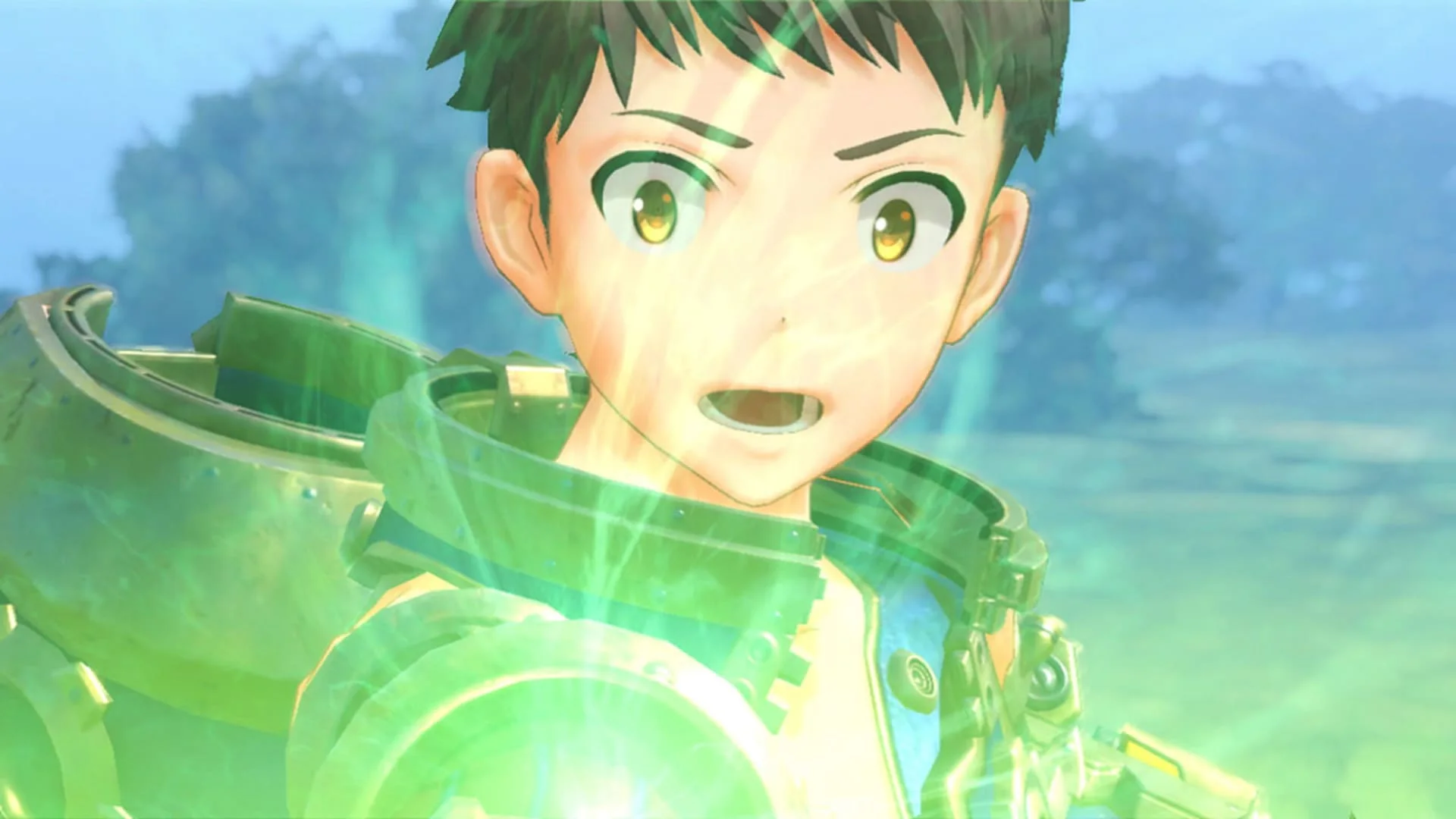
This beginner guide is for a first playthrough of Xenoblade Chronicles 2 on Nintendo Switch or the Switch 2 Edition. It prioritizes the decisions that save hours later: understanding the Driver–Blade loop, keeping roles balanced, spending affinity progress intentionally, and not burning every Core Crystal the moment you find one.
You do not need optimal rare Blades to finish the story. You do need to stop auto-attacking forever without using Arts, and you do need at least one reliable healer and tank setup once the party expands.
Salvager life in Argentum teaches scavenging habits that transfer well to wiki use: pick up what you need, leave the rest for later, and never open every Core Crystal just because the menu flashes.
01
First-session priorities
Learn the control loop early: auto-attacks fill Art gauges; Arts deal damage or apply effects; Specials charge from using Arts and enable Blade Combos; switching Blades mid-fight lets you change element and role pressure. If you only mash movement and never open the Art palette, every later system feels random.
Talk to NPCs marked for tutorials and complete early affinity chart nodes that unlock basic combat utilities. Field Skills matter as soon as exploration opens up—skipping them forces detours when chests and paths require specific skill levels.
On Easy or Normal, treat the first three hours as a tutorial you control: stop moving so auto-attacks land, spend an Art the moment it lights, and watch Special charge climb. If a unique monster skulls you, leave and return after a small level band and a pouch snack instead of brute-forcing empty gauges.
02
Party roles before rare hunting
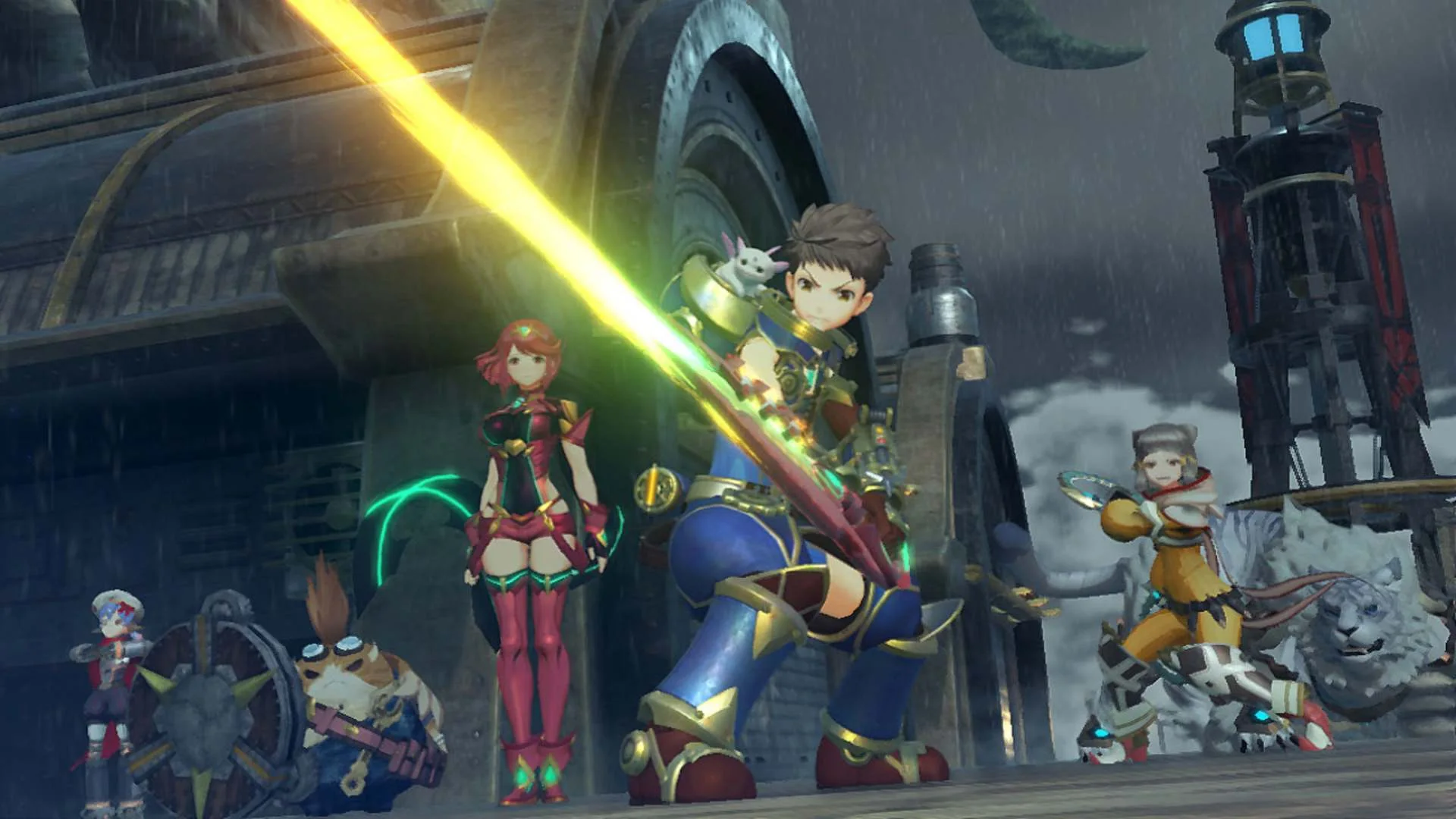
Every Blade has a role: Attacker, Tank, or Healer. Equipping different role mixes changes a Driver’s class identity and how AI companions behave. For story difficulty, aim for coverage: someone who can tank aggro, someone who can heal or cleanse pressure, and enough attack elements to start Blade Combos.
Rex with Pyra (and later Mythra) carries a huge portion of early damage. Nia is the natural early healing anchor. Tora’s Poppi becomes extremely flexible once ether crystals and Tiger! Tiger! progress start rolling. Do not bench healers just because DPS numbers look higher in short fights.
A practical first-party target is one dedicated healer Blade on Nia, at least one tank-capable Blade in the active pool, and enough elements to start a Blade Combo without rebuilding the entire roster mid-fight. When a third Driver joins, re-check that AI partners still own Break or Topple Arts.
03
Pouch items, trust, and early economy
Pouch items are not fluff snacks. Food and other consumables improve trust gain, combat comfort, and sometimes exploration efficiency. Keep useful pouch slots filled when grinding or tackling tougher unique monsters.
Sell junk salvage smartly, but keep materials tied to affinity chart unlocks. Many Blade nodes require specific collectibles or enemy drops from the regions you are already traveling. Checking affinity requirements before leaving a Titan saves backtracking.
Spend early money on pouch items that help trust or combat sustain before cosmetics. When a Blade affinity node asks for a collectible from a Titan you just left, write it down—backtracking later with better movement skills is fine, but forgotten requirements stall charts for hours.
04
Common early mistakes
Opening every Core Crystal immediately is tempting and usually wasteful. Common crystals help fill field skill gaps, but legendary and rare opportunities deserve better trust and pouch setup. Overdrive Protocols are limited early—do not move Blades casually between Drivers until you understand weapon preferences.
Another frequent mistake is ignoring Driver Combos. Break → Topple → Launch → Smash is free damage and control once you assign Arts with the right reaction effects. Pair that with elemental Blade Combos and bosses stop feeling like sponge fights.
Avoid maxing one Driver while benching everyone else. Shared XP and occasional control swaps keep the cast usable when story segments spotlight different leads. If you pull a rare early, clear its cheapest affinity combat nodes so the slot is not dead weight.
FAQ
Questions players ask first
Should I grind levels in the first chapters?+
Light grinding helps if uniques one-shot you, but fixing Art usage and role balance usually helps more than five raw levels. If fights take forever with no Breaks or orbs, revisit combat fundamentals before farming XP routes.
When should I start hunting rare Blades?+
Start rare hunting after you have a stable story party and understand trust, pouch items, and crystal tiers. It is a long-term project and should not freeze main-story momentum in the opening chapters.