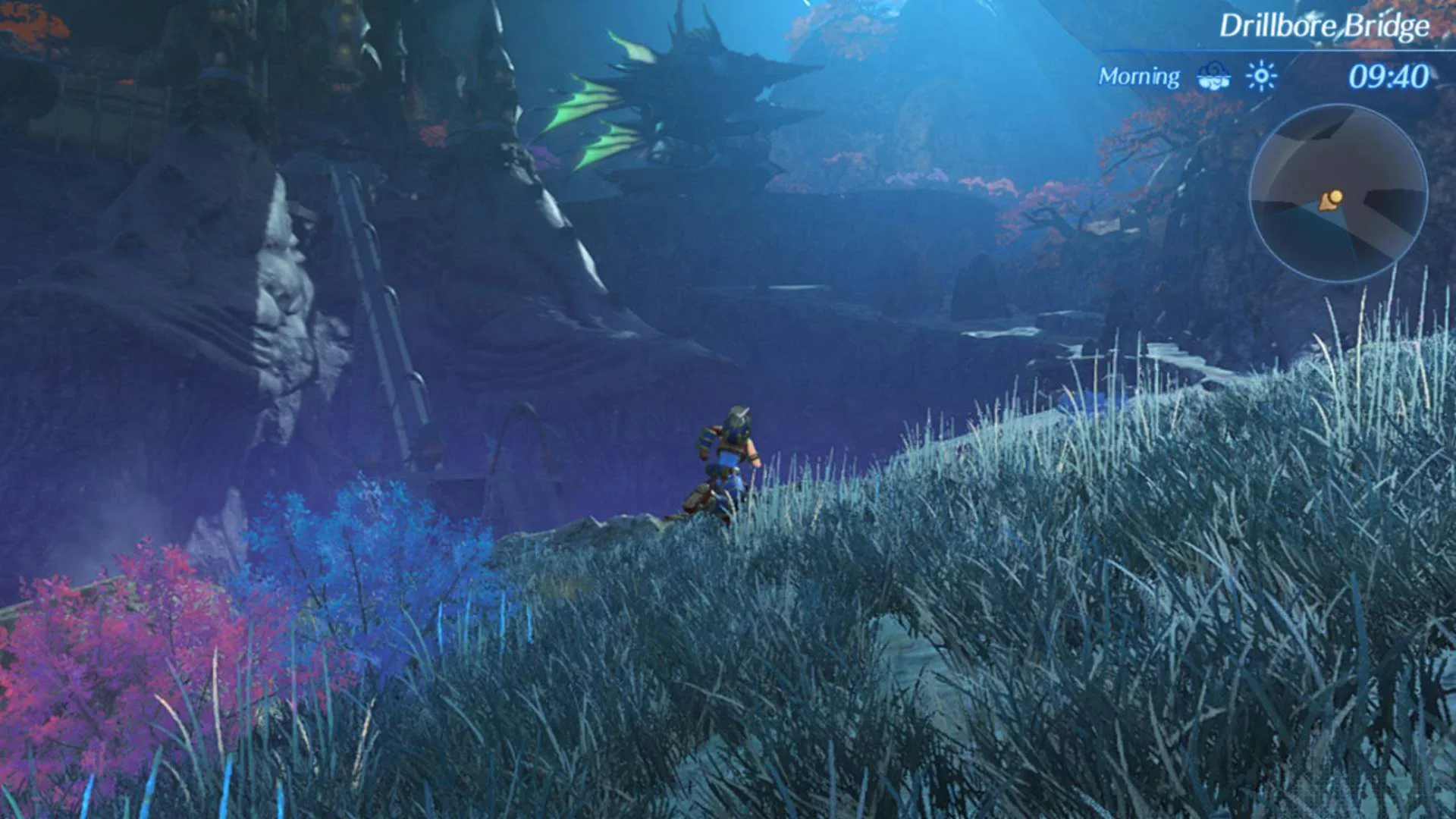
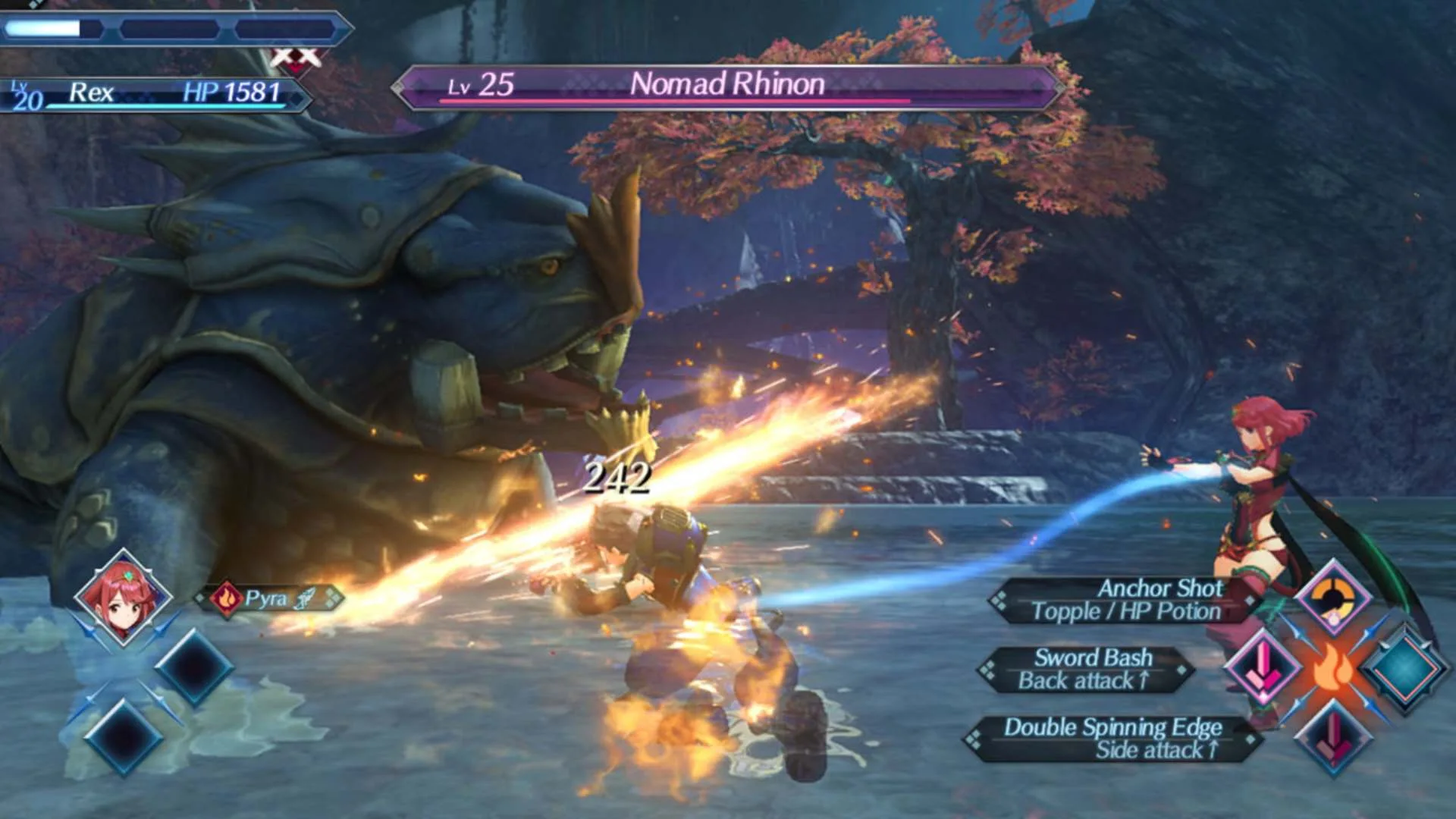
Xenoblade Chronicles 2 combat looks automatic until you realize every system is a resource converter. Auto-attacks charge Arts. Arts charge Specials and apply reactions. Specials create elemental orbs and advance Blade Combos. Those pieces combine into Fusion Combos and, eventually, party-wide Chain Attacks that decide boss kills.
This page is the mechanical spine of the wiki. If a build guide or rare Blade recommendation ever feels opaque, come back here and map the advice onto these layers.
This page stays focused on combat system with concrete menu and combat vocabulary so you can apply it on your next session without reopening a general overview.
Think of the battle UI as four stacked meters—auto rhythm, Art readiness, Special charge, and Party Gauge—rather than a single attack button with pretty lights.
01
Auto-attacks, Arts, and Specials
Unlike older Xenoblade titles where Arts often recharged on timers alone, Driver Arts in Xenoblade Chronicles 2 primarily charge through auto-attack hits. Positioning and attack frequency therefore directly affect how often you can spend Arts. Canceling auto-attack strings into Arts at the right moment is the basic skill expression of every Driver.
Blade Specials are the big elemental attacks tied to the active Blade. Using Arts builds the Special gauge. Level I–III Specials (and higher with certain setups) are both damage tools and the fuel for Blade Combos. If you never Special, you never create the elemental orb economy bosses are designed around.
Cancel timing beats button-mash volume. Finish the auto string that fills the largest Art, spend it, then resume autos. On bosses, charging Specials past level I before dumping often enables stronger Blade Combo branches even when trash packs die to weaker hits.
02
Driver Combos: Break, Topple, Launch, Smash
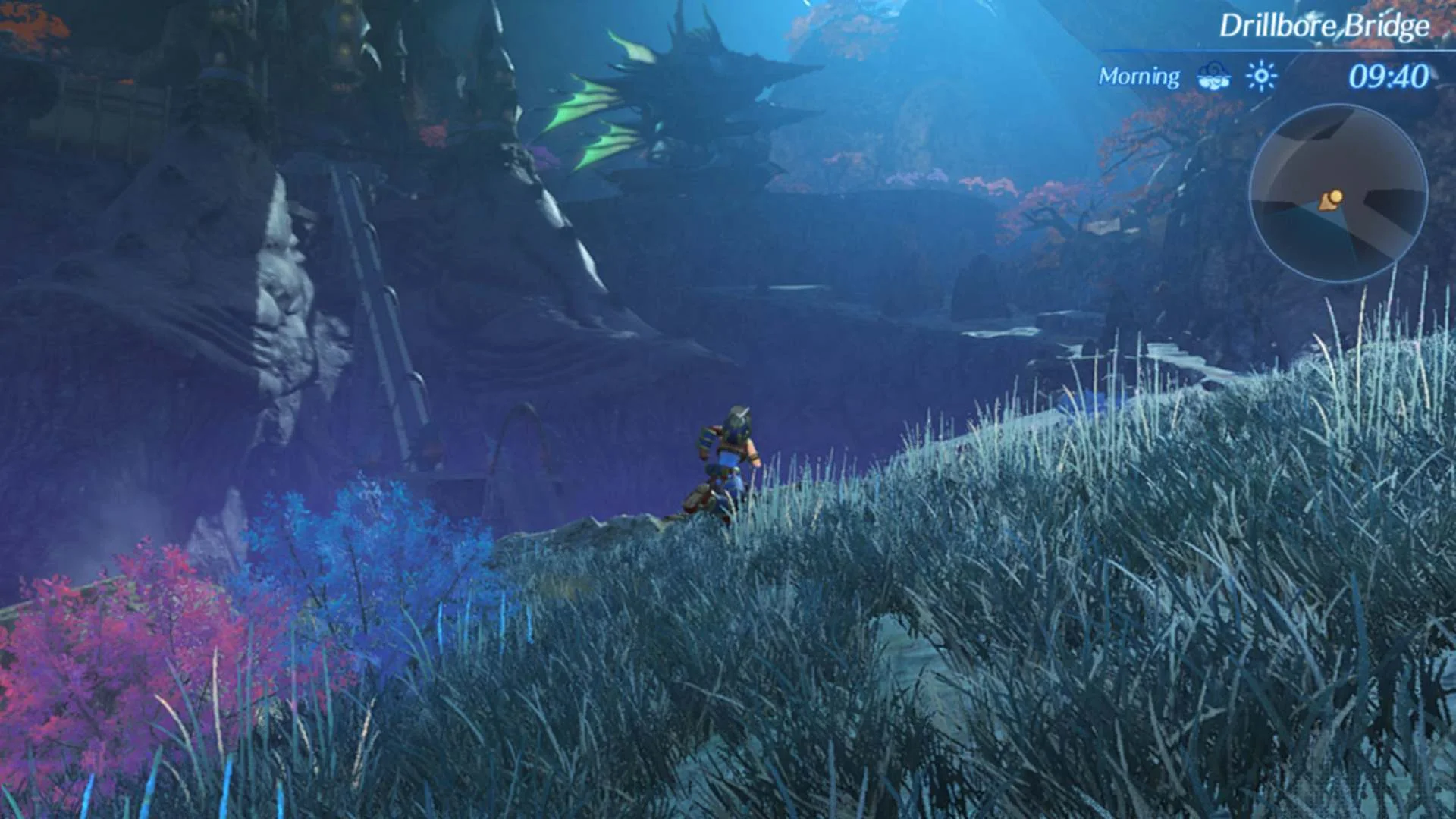
Driver Combos are status reaction chains. A typical full route is Break → Topple → Launch → Smash. Specific Arts apply each step; party members can continue a combo someone else started. Landing the full route deals heavy damage and often locks enemies into vulnerable states.
Assign Arts intentionally so your controlled Driver and AI partners cover the missing links. A party that can only Break forever will stall. A party that can Topple and Launch on demand deletes mid-game roadblocks. Check Art effect icons instead of equipping whatever has the biggest damage number.
Read reaction icons whenever you rearrange Arts after a new Blade joins. A party that only Breaks will stall; practice the full Break–Topple–Launch–Smash path on ordinary enemies until it is muscle memory for shorter boss windows.
03
Blade Combos, orbs, and Fusion Combos
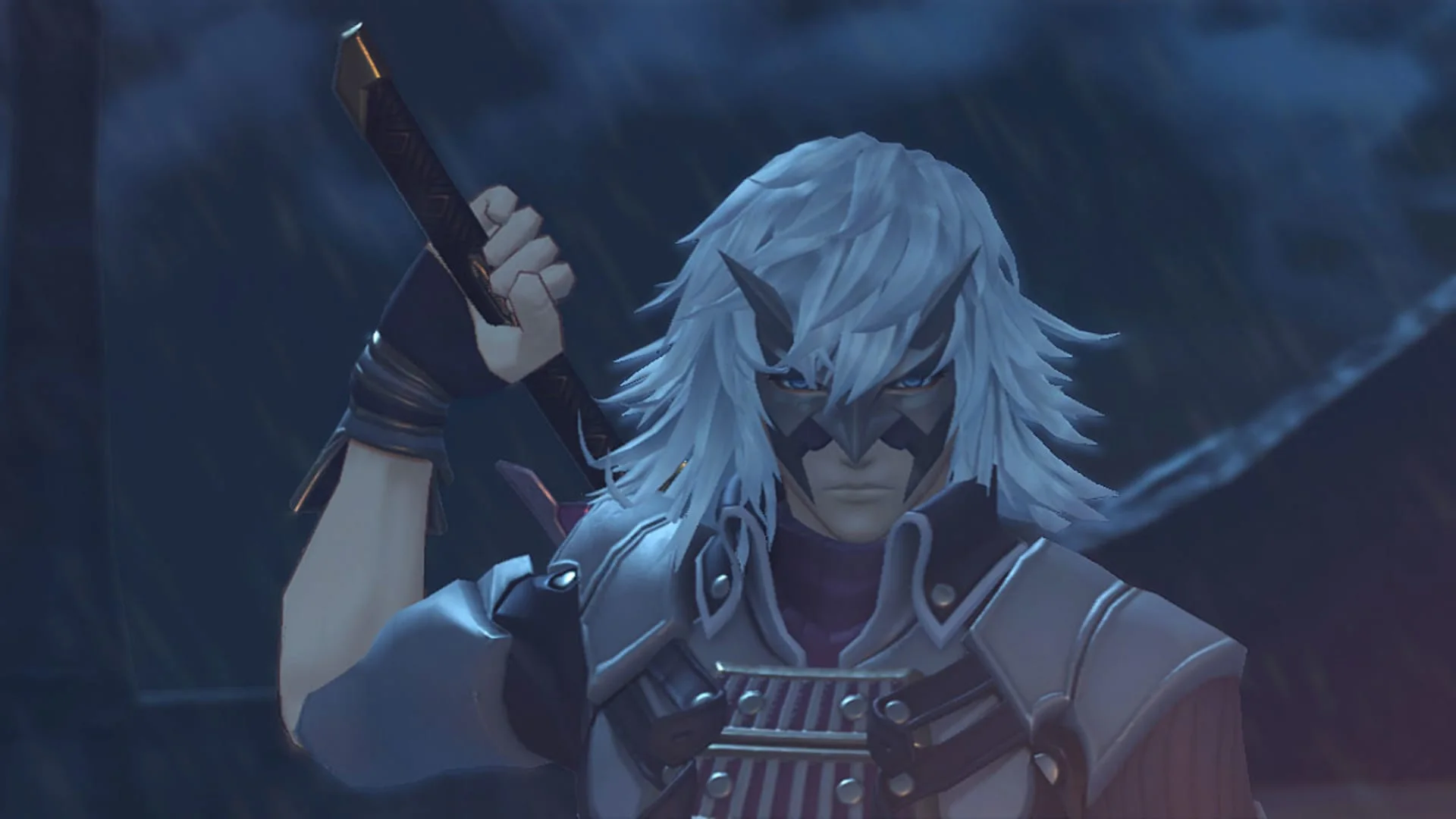
Blade Combos are elemental sequences built by Specials of matching or branching elements. Successful routes leave elemental orbs on the enemy. Those orbs are spent during Chain Attacks for massive multipliers and burst windows. Learning a few stable routes—for example fire or light lines you already use with the Aegis—is enough for story content; endgame players expand into multi-orb setups.
Fusion Combos happen when Driver Combo stages and Blade Combo stages overlap correctly. They are the game’s way of rewarding simultaneous mastery of both axes. You do not need perfect fusion routing to finish the campaign, but even partial overlap dramatically shortens tough uniques and story bosses.
Keep two elemental routes your current party can actually perform. Fancy branching charts fail if nobody equips the second element. When Fusion Combos start landing, watch the damage spikes—that feedback trains faster than abstract tables.
04
Chain Attacks and battle closure
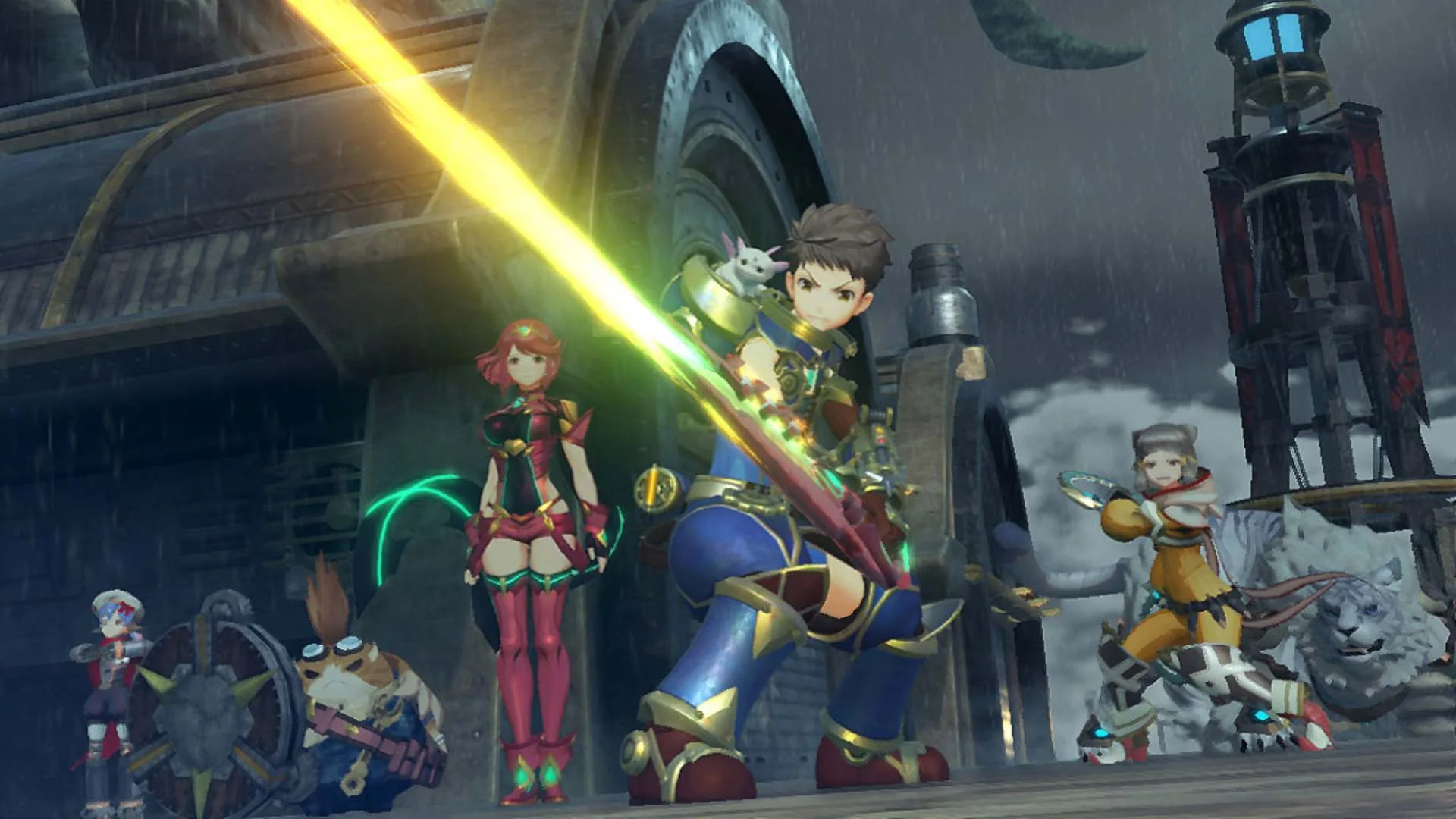
The Party Gauge fuels Chain Attacks and revives. Fill it by canceling Arts, supporting allies, and fighting cleanly. During a Chain Attack, the party fires coordinated Specials and can consume elemental orbs for stage extensions and damage multipliers.
Practical rule: do not panic-spend the Party Gauge on early revives if a boss is one orb set away from a kill window. Conversely, holding the gauge forever while your healer is dead is how wipes happen. Read the fight: survival first when the team is unstable, burst second when orbs and HP lines line up.
Build Party Gauge with intentional Art cancels and avoid damage patterns that force endless revives. Before starting a Chain Attack, check sealed orbs: spending a prepared orb set is how long HP bars disappear.
FAQ
Questions players ask first
Why are my Arts always empty?+
You are probably moving too much or missing auto-attack hits. Stand in range, let autos land, then spend Arts. Pouch items and certain Blade skills also improve recharge comfort after a fresh Blade swap.
Do I need perfect combo routes for the story?+
No. A reliable Break–Topple path plus one elemental Blade Combo line covers most of the campaign. Perfect multi-orb Chain Attack routing is an endgame optimization skill, not a credits gate.