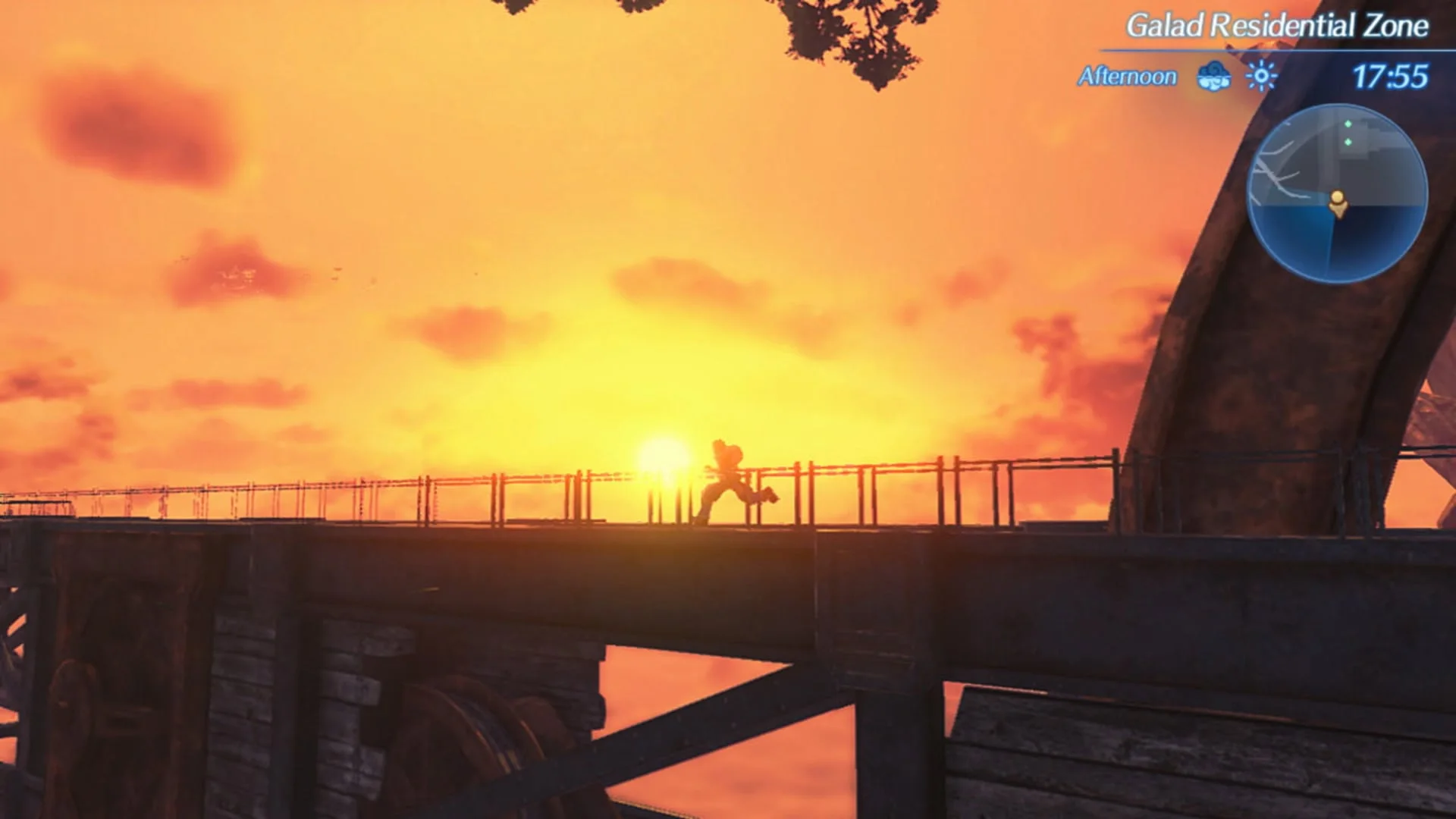
Xenoblade Chronicles 2 piles unique vocabulary onto standard JRPG ideas. Use this glossary when a menu or guide assumes you already know what an orb, Driver Combo, or Field Skill is.
This page stays focused on glossary with concrete menu and combat vocabulary so you can apply it on your next session without reopening a general overview.
01
Combat terms
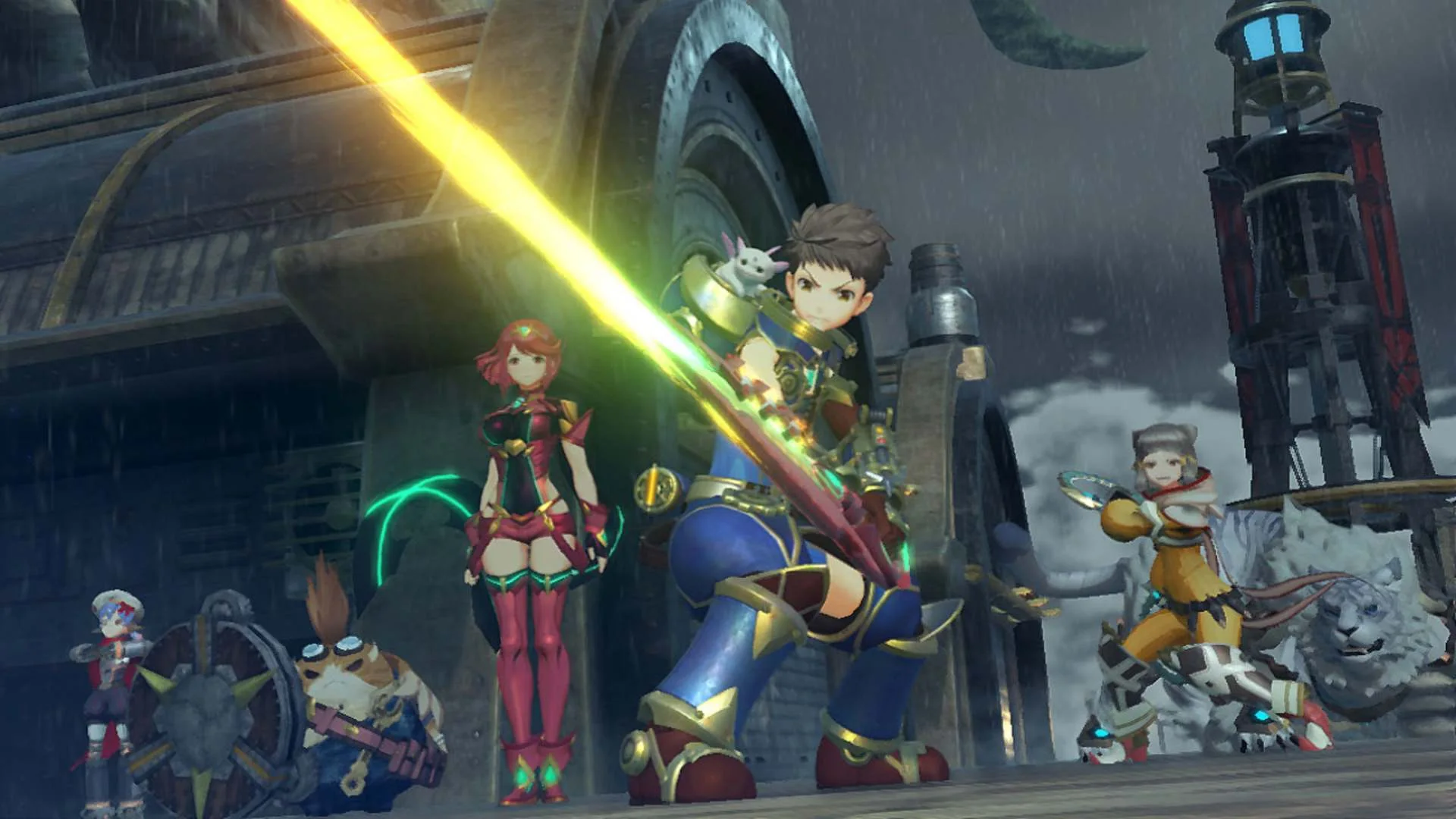
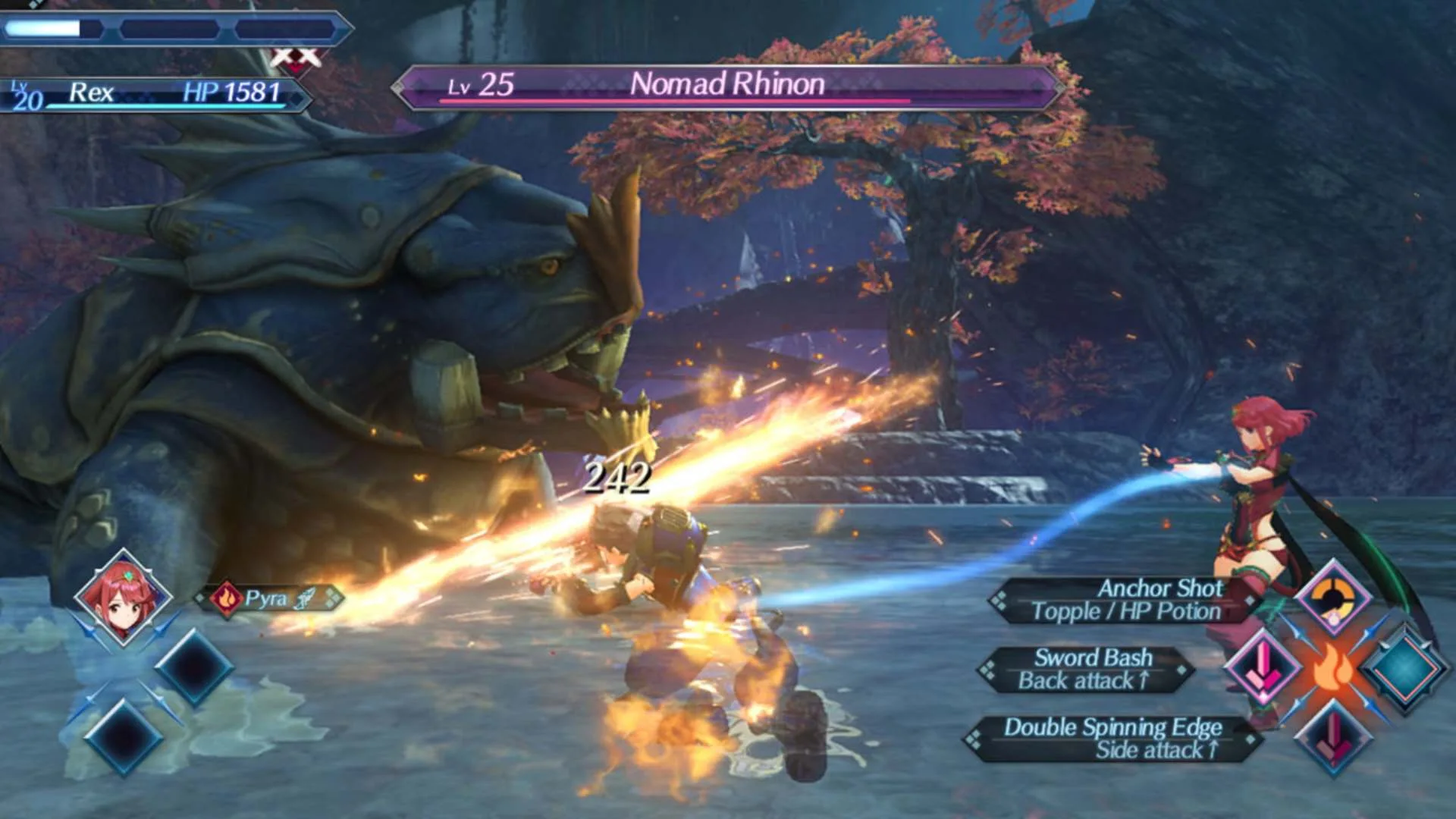
Driver: a party member who equips Blades and uses Driver Arts. Blade: the equipped partner that sets weapon, element, Specials, and role. Art: a Driver skill charged primarily through auto-attacks. Special: a Blade’s elemental big attack used for damage and Blade Combos.
Driver Combo: reaction chain typically involving Break, Topple, Launch, and Smash. Blade Combo: elemental Special sequence that can seal elemental orbs on targets. Fusion Combo: overlapping Driver and Blade combo stages. Chain Attack: party gauge burst mode that spends orbs for extended damage.
When a guide says “seal an orb,” it means complete a Blade Combo route that leaves an elemental orb on the target for Chain Attack consumption—not a separate inventory item.
02
Progression and exploration terms
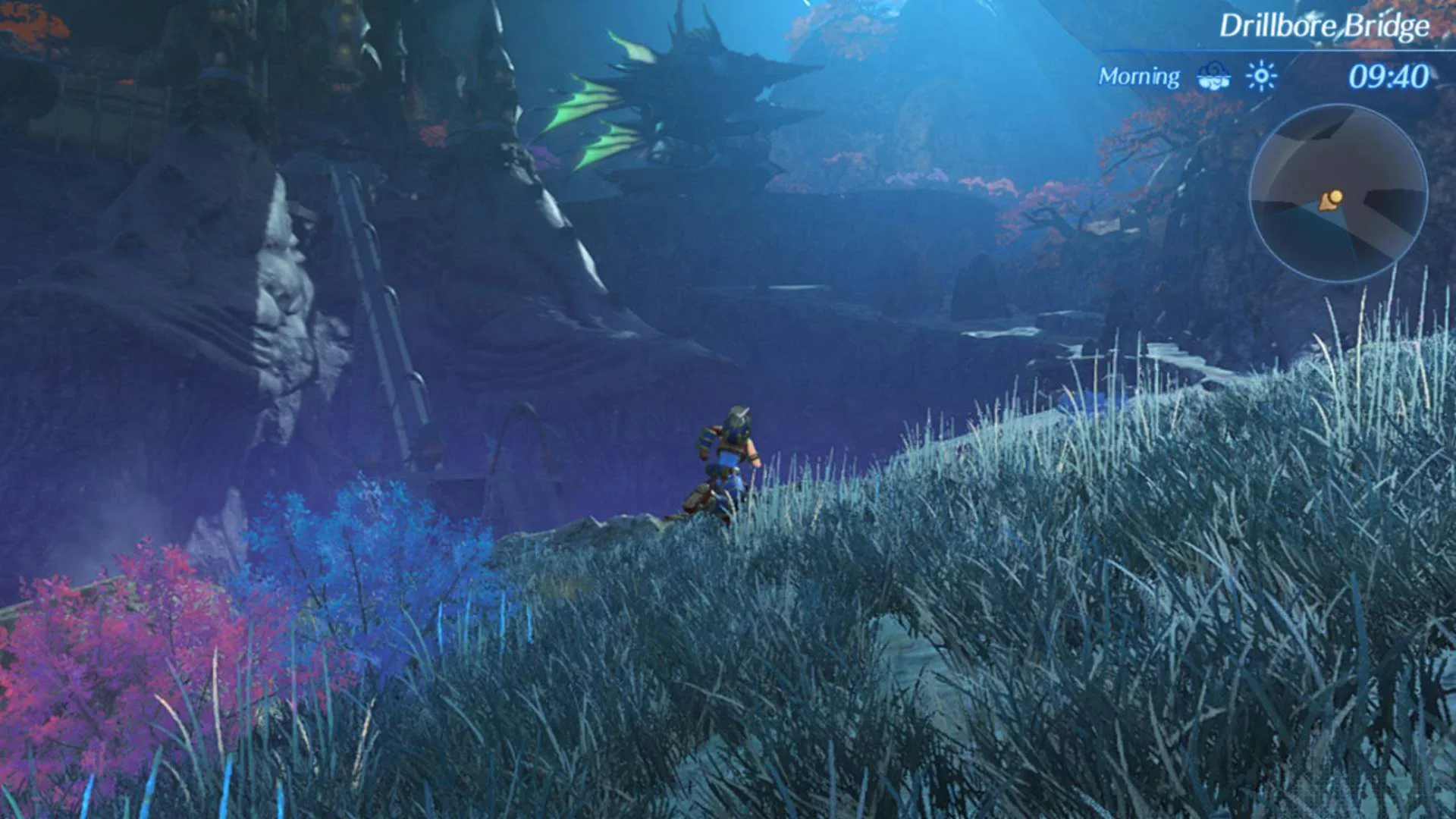
Core Crystal: item used to resonate and awaken Blades. Rare Blade: higher-rarity Blade, often from crystal resonance. Overdrive Protocol: item that moves a Blade to another Driver. Affinity chart: per-Blade skill tree unlocked by conditions and trust.
Field Skill: exploration skill checked in the world. Merc Mission: dispatch assignment for bench Blades. Aux Core / weapon chip: equipment-style modifiers for Blade loadouts. Tiger! Tiger!: Tora’s minigame used to empower Poppi’s artificial Blade path.
Trust, affinity, and field skills are related but not identical: trust is relationship rank, affinity charts are the node trees, and field skills are the exploration checks those trees often unlock.
03
World terms
Alrest: the world setting. Cloud Sea: the sea of clouds separating landmasses. Titan: living landmasses the party travels across. Elysium: the legendary paradise Rex seeks. Aegis: the legendary Blade identity at the center of the main plot.
Torna: both a historical nation and the namesake of the expansion campaign Torna ~ The Golden Country.
Titans are both locations and lore beings; if a quest says return to a Titan’s head or liver region, open the map sub-areas rather than searching for a humanoid NPC of that name.
FAQ
Questions players ask first
Is a Blade the same thing as a weapon?+
A Blade brings a weapon type, but also an element, role, Specials, field skills, and affinity progression. Thinking “Blade equals whole subclass” is more accurate than “Blade equals sword skin.”